
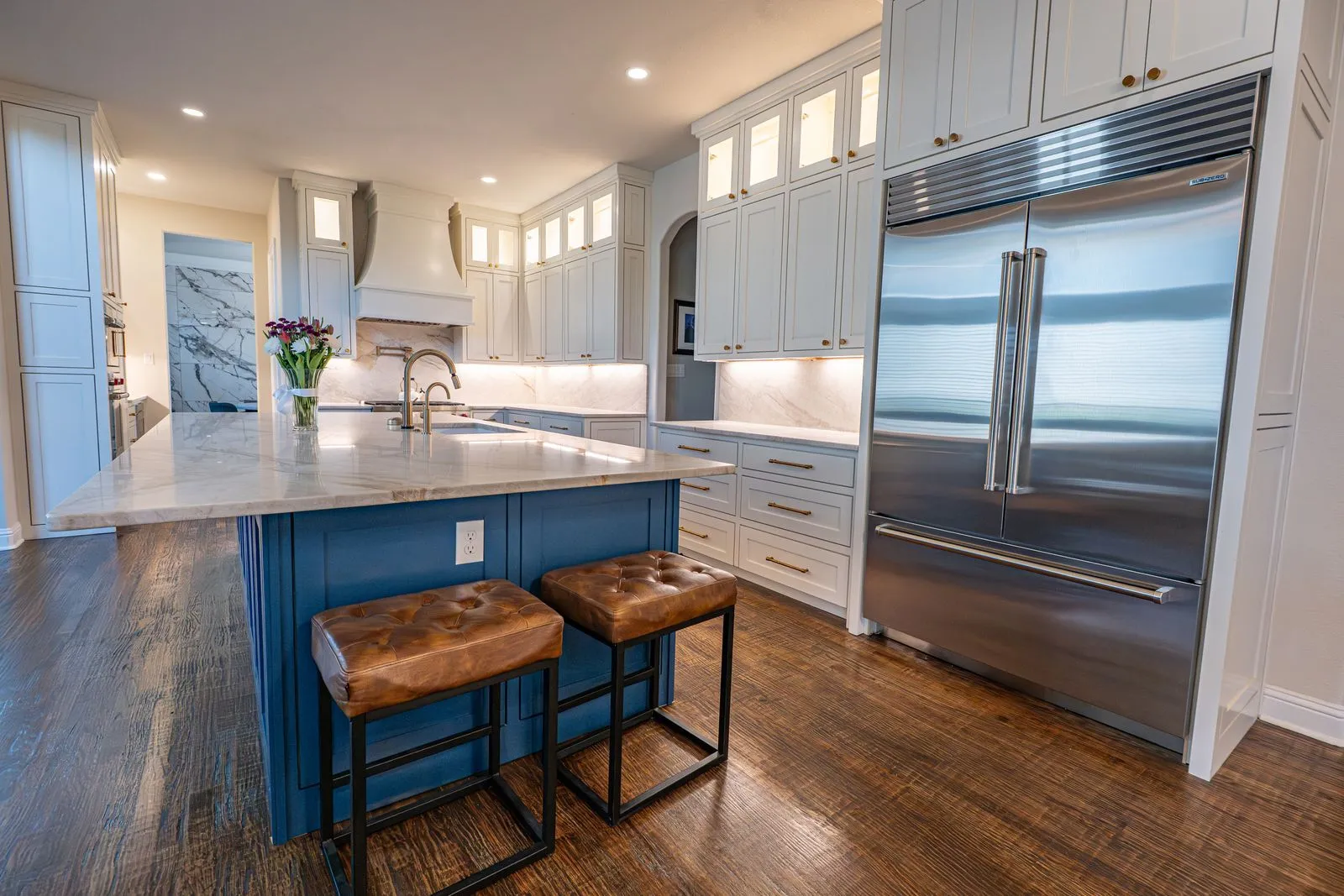
The right kitchen storage can reduce bending, reaching, and searching during everyday tasks. Instead of relying on deep cabinets where cookware disappears at the back, consider how each storage feature affects visibility and access. Pull-out shelves, drawers, lowered cabinets, and open storage each solve different problems. Start by noting which items you use most, who needs to reach them, and whether you prefer to sit or stand while cooking. These details help guide practical choices.
Pull-Out Shelves for Base Cabinets
Pull-out shelves bring items from the back of a base cabinet toward you, so you can see and reach them without leaning far inside. They work well for pots, pans, mixing bowls, and small appliances. Choose sturdy hardware rated for the loads you plan to store, and check that the shelf extends far enough to provide useful access.
Consider how you will use the shelf before choosing its height and depth. A shallow pull-out can keep lids or baking sheets organized, while a deeper shelf can hold heavier cookware. Make sure handles and stored items will clear nearby cabinet doors, and leave room to stand or maneuver a mobility device in front of the cabinet.
Drawers for Everyday Cookware
Wide, full-extension drawers make it easier to see contents from above and bring items within reach. They can be more convenient than low shelves for frequently used pans, plates, and utensils. Drawer dividers help keep cookware from shifting, while separate compartments can prevent lids and tools from becoming a pile.
Place the most-used items in drawers that are comfortable to reach without bending or stretching. Test the drawer pull from your usual working position, including from a seated position if needed. For heavy pots, select smooth-gliding hardware and avoid overloading the drawer; a crowded or difficult-to-open drawer can create a new access barrier.
Lowered and Open Storage
Lowered cabinets or shelves can put dishes and pantry staples within easier reach for someone who uses a wheelchair or has limited standing reach. Open shelves provide a clear view of stored items, but they need thoughtful placement: keep everyday essentials at a comfortable height and avoid storing heavy objects overhead.
Open storage also collects dust and leaves items visible, which may not suit every household. A mix of open shelves and closed cabinets can balance visibility with a less cluttered look. Use stable shelf supports, keep frequently handled items near the front, and leave enough clearance for safe reaching and handling.
Plan Around Your Routine
Map storage to the steps you take while preparing a meal. Keep cookware near the cooktop, dishes near the dishwasher or serving area, and everyday tools close to the main work surface. This reduces repeated trips across the kitchen and helps prevent reaching over hot burners or carrying heavy items farther than necessary.
Before finalizing a layout, try the proposed locations with the people who will use the kitchen. Check reach from standing and seated positions, open drawers and doors, and consider whether handles are easy to grip. An accessible kitchen remodeler such as Crescent Access Kitchens can help evaluate storage options and fit them to your room and routine.
Accessible storage works best when it matches the people, cookware, and routines in your kitchen. Compare pull-outs, drawers, and open shelves by testing what you can see and reach comfortably. Make a short list of your daily essentials and use it to guide your cabinet plan. If you are planning a remodel, discuss those needs with Crescent Access Kitchens.